
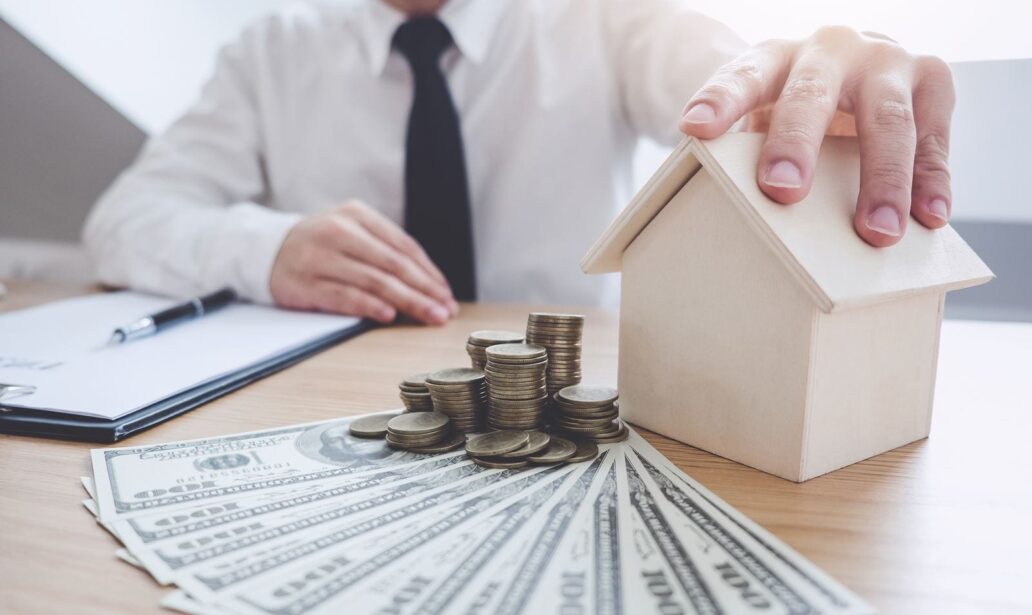
In the ever-evolving world of real estate, one truth remains constant: a well-maintained and thoughtfully renovated home holds—and often increases—its value over time. Whether you’re a homeowner planning to sell in the near future or someone who simply wants to protect their investment, prioritizing home maintenance and renovations is one of the smartest decisions you can make. Homes are not just shelters; they are living assets. And like any valuable asset, they require upkeep and strategic improvement to remain competitive in the market.
Neglecting routine maintenance or postponing renovations might save money in the short term, but it can lead to costly repairs and a substantial decrease in property value in the long run. On the other hand, consistent care and purposeful upgrades can dramatically improve your home’s livability, appearance, efficiency, and ultimately, its market worth.
First Impressions and Curb Appeal Matter
The moment a prospective buyer—or even a visitor—approaches a property, they begin forming an opinion. Cracked driveways, peeling paint, broken gutters, or an overgrown lawn send a clear message: this home hasn’t been cared for. And if the exterior is in disrepair, buyers often assume the interior will follow suit.

Curb appeal is a powerful influence on property value. Simple maintenance tasks like repainting the facade, replacing an old front door, or regularly mowing the lawn can significantly boost first impressions. Renovations like modern fencing, new roofing, or upgraded landscaping can enhance this effect even more, signaling pride of ownership and contributing to a strong valuation.
Preventing Small Issues from Becoming Major Problems
Regular home maintenance is not glamorous, but it is crucial. Homes are exposed to the elements day after day—sun, wind, rain, and time all take their toll. Addressing minor issues like a leaking faucet, cracked tiles, or faulty wiring might seem trivial, but ignoring them can lead to extensive and expensive damage down the line.
A small roof leak can lead to wood rot, mold growth, and structural weakness. A clogged gutter can cause water to pool near your foundation, creating the risk of flooding or foundational cracks. By staying ahead of these problems through preventive maintenance, you safeguard your investment and avoid the stress and financial strain of emergency repairs.
Enhancing Energy Efficiency
Modern buyers are more conscious than ever of energy efficiency. An outdated HVAC system, drafty windows, or insufficient insulation can turn off potential buyers and lower the perceived value of your home. Homeowners who invest in energy-efficient upgrades—such as double-glazed windows, energy-rated appliances, solar panels, or smart thermostats—not only save on utility bills but also make their homes more appealing and competitive in today’s market.
Even small renovations like sealing gaps, adding insulation, or updating to LED lighting can improve energy performance and, in turn, enhance the value of the property. In many cases, these upgrades also come with government rebates or incentives, making them a financially wise decision.
Keeping the Home Up to Date with Market Trends
Interior styles and preferences evolve, and a home that feels outdated can struggle in a competitive real estate market. Buyers are increasingly drawn to open-plan living, modern kitchens, spa-inspired bathrooms, and neutral palettes. If your home still features shag carpeting, pink bathroom tiles, or a galley kitchen with fluorescent lights, it may feel less attractive regardless of how well it functions.
Renovations that focus on high-traffic and high-impact areas like the kitchen and bathroom often offer the best return on investment. A modern kitchen with new cabinetry, updated appliances, and contemporary finishes not only adds functionality but also makes a powerful impression. Similarly, an updated bathroom with new fixtures, lighting, and tiling can significantly boost a home’s perceived value.
Adapting to Lifestyle Changes
Homes should evolve with the needs of the people living in them. As families grow, work-from-home becomes standard, or aging-in-place becomes a priority, renovations allow a home to remain functional and comfortable. For example, converting an underused guest room into a home office, finishing a basement, or adding a second bathroom can make a huge difference in everyday life and future resale potential.
Moreover, renovations that improve accessibility—such as installing walk-in showers, wider doorways, or ramps—can attract a broader range of potential buyers, especially in aging or multi-generational households.
Boosting Marketability and Faster Sales
A home that’s been consistently maintained and strategically renovated doesn’t just attract a higher selling price—it also tends to sell faster. In a competitive housing market, properties that appear move-in ready are far more appealing to buyers who want to avoid the hassle of immediate repairs or renovations. They’re willing to pay a premium for a home that feels updated and well cared for.
Buyers often conduct building and pest inspections before purchasing, and a home in good condition—with documented maintenance and renovation history—can sail through these processes, increasing buyer confidence and reducing the likelihood of price negotiations or a deal falling through.
Long-Term Financial Gain
One of the biggest misconceptions about home renovations is that they are purely cosmetic and offer minimal returns. In reality, many renovations yield a substantial return on investment, especially when they’re done strategically and professionally. For instance, adding a deck, upgrading insulation, installing new flooring, or updating bathrooms can all significantly enhance the value of your property.
More importantly, well-timed and thoughtful renovations can keep your home in line with neighborhood standards. If nearby properties are being modernized or rebuilt, yours may lose value if it remains outdated. Staying competitive means investing in your home—not overspending, but choosing renovations that offer long-term financial gain.
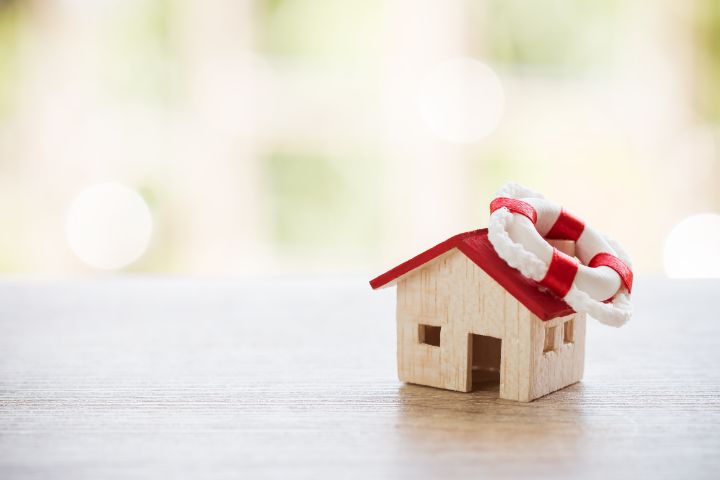
Peace of Mind and Pride of Ownership
While financial return is important, it’s not the only reason to prioritize maintenance and renovations. A home that’s safe, functional, and visually appealing provides peace of mind and pride of ownership. Living in a home that reflects your taste and lifestyle is deeply rewarding. You’re more likely to care for a home that feels good to live in, and this positive cycle of attention and appreciation helps preserve property value.
Moreover, consistent maintenance and timely upgrades can prevent unpleasant surprises and reduce stress. Whether it’s storm-proofing your roof, ensuring electrical systems are up to code, or modernizing outdated plumbing, proactive efforts protect both your property and your peace of mind.
Property ownership is not a passive investment. To preserve and grow its value, ongoing home maintenance and selective renovations are essential. They not only protect your asset from deterioration but actively increase its market appeal, functionality, and financial potential.
Whether you plan to sell in the next year or live in your home for decades to come, treating your property with care and foresight will always pay off. A well-maintained and thoughtfully renovated home is more than just a structure—it’s a solid foundation for financial security, daily comfort, and lasting value.