

Owning a home is a major accomplishment, but it also comes with ongoing responsibilities that require both attention and financial planning. One of the most critical tasks homeowners face is budgeting for home maintenance and renovations. Without a clear and practical budget, unexpected repairs can become financial burdens, and planned upgrades can spiral out of control. Whether you’re a new homeowner or someone who’s been living in the same space for decades, budgeting properly is the foundation for keeping your home safe, functional, and valuable over time.
This step-by-step guide will help you understand how to approach home maintenance and renovation budgeting in a way that’s organized, manageable, and tailored to your specific needs.
Understanding the Difference Between Maintenance and Renovation
Before building a budget, it’s essential to distinguish between home maintenance and renovations. Home maintenance refers to the routine care your home needs to remain in good working condition—tasks like cleaning gutters, servicing HVAC systems, sealing cracks, or inspecting the roof. These are often preventive measures to avoid bigger and costlier repairs later.
Renovations, however, are changes or improvements that go beyond basic upkeep. These might include remodeling your kitchen, updating the bathroom, finishing the basement, or installing new flooring. Renovations can increase your home’s value and improve your lifestyle, but they often come with higher costs and require more planning.
Recognizing the difference between the two will allow you to allocate your resources properly and avoid shortchanging essential maintenance in favor of more glamorous upgrades.
Step 1: Assess Your Home’s Current Condition
Start with a comprehensive evaluation of your home. Walk through every room and inspect areas like plumbing, electrical systems, the roof, windows, heating and cooling units, and the foundation. Make note of anything that looks worn, outdated, or in need of repair.
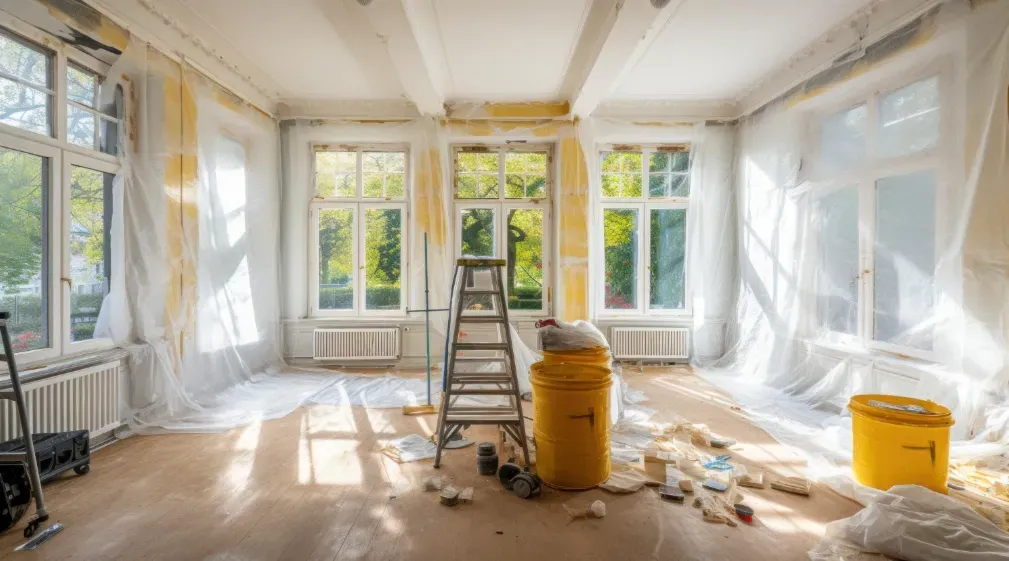
This initial inspection helps you identify which maintenance issues need immediate attention and which renovations might be necessary in the near future. Pay special attention to signs of water damage, cracks in walls or ceilings, aging appliances, or energy inefficiencies, as these often require timely fixes.
If you’re unsure about the condition of certain systems, hiring a professional home inspector for a one-time evaluation can be a worthwhile investment.
Step 2: Create a Maintenance Schedule
Once you know what needs attention, build a schedule for regular maintenance. Many tasks recur seasonally or annually. For instance, HVAC systems should be checked twice a year, gutters cleaned every fall, and smoke detectors tested monthly. Making a schedule ensures these responsibilities don’t fall through the cracks and can help you spread costs evenly throughout the year.
Having a calendar also lets you anticipate expenses rather than reacting to emergencies. Preventive maintenance is usually far less expensive than major repairs caused by neglect.
Step 3: Estimate Annual Maintenance Costs
A general rule of thumb is to set aside 1% to 3% of your home’s value each year for maintenance. So if your home is valued at $400,000, you should aim to budget between $4,000 and $12,000 annually for upkeep. Factors like your home’s age, condition, and climate exposure can influence where you fall within that range.
Older homes or those in harsh climates may require more frequent attention and therefore a higher budget. If your home is relatively new, you might be able to start at the lower end, though it’s always wise to prepare for the unexpected.
Step 4: Plan for Renovations Separately
Renovations often involve higher one-time costs, so it’s smart to create a separate budget and timeline for these projects. Start by listing all the improvements you’d like to make, then prioritize them based on necessity, safety, and return on investment. Upgrading an old electrical system or fixing a leaking roof should always come before installing luxury countertops or adding a second living room.
For each renovation project, research the average cost in your area. Get multiple quotes from contractors and compare them to industry standards. Include all related expenses such as design fees, permits, materials, labor, and even temporary housing or storage if needed during the renovation.
To avoid budget overruns, always build in a contingency of 10% to 20% to cover unforeseen issues.
Step 5: Set Up a Home Maintenance Fund
After you’ve outlined your maintenance and renovation needs, create a dedicated savings account just for home-related expenses. Treat it like any other critical financial goal—whether it’s a retirement fund or an emergency account. Automate monthly contributions so you’re consistently building up a reserve.
The benefit of having a dedicated account is that you won’t have to scramble or go into debt when something goes wrong. Even modest monthly contributions can add up and offer peace of mind when facing an unexpected repair or an opportunity for improvement.
Step 6: Explore Financing Options for Larger Projects
If you’re planning a major renovation and don’t have enough savings, there are several financing options to consider. Home equity loans or lines of credit (HELOCs) allow you to borrow against your home’s equity and often come with lower interest rates than personal loans or credit cards. Personal loans can be a viable alternative for smaller-scale renovations, especially if you have good credit.
Before committing to any financial product, compare terms carefully. Understand interest rates, repayment periods, and whether the loan is secured or unsecured. Always factor in the repayment into your household budget to avoid future financial strain.

Step 7: Keep Detailed Records and Track Spending
As you move forward with maintenance and renovation projects, keep meticulous records. Store all receipts, warranties, contractor agreements, and invoices in one place—either physically or digitally. This documentation will help you track spending, understand where your money is going, and evaluate the return on investment for completed projects.
It also becomes incredibly useful when selling your home. Buyers are often more confident when shown a documented history of care and upgrades, which can enhance your property’s value and marketability.
Step 8: Revisit and Adjust Your Budget Annually
A home budget isn’t something you create once and forget. Homes age, priorities shift, and new needs arise. Make it a point to review and revise your maintenance and renovation budget every year. Reflect on the past year’s expenses, evaluate what worked, and determine whether your current savings strategy is keeping up with your home’s demands.
Adjust for any significant life changes—such as welcoming a new family member, planning to sell, or working remotely—that may influence how you use and invest in your space.
Step 9: Learn When to DIY and When to Call a Pro
Not all tasks require hiring a professional. Painting walls, changing light fixtures, replacing cabinet handles, or weather-stripping windows are all manageable DIY jobs that can save money. However, tasks involving electrical systems, plumbing, structural changes, or anything requiring a permit should be handled by licensed professionals.
Knowing your limits protects you from costly mistakes and ensures that all work meets safety standards and local regulations.
A Proactive Approach Pays Off
Budgeting for home maintenance and renovations isn’t just a matter of cost management—it’s about being a responsible homeowner. A proactive budget helps preserve your property’s condition, avoid financial stress, and plan improvements that enhance both your lifestyle and your home’s value.
The process might seem overwhelming at first, but by breaking it down into manageable steps and staying consistent, you gain long-term control and peace of mind. Homes are living investments, and with the right financial strategy in place, yours will serve you well for years to come.