
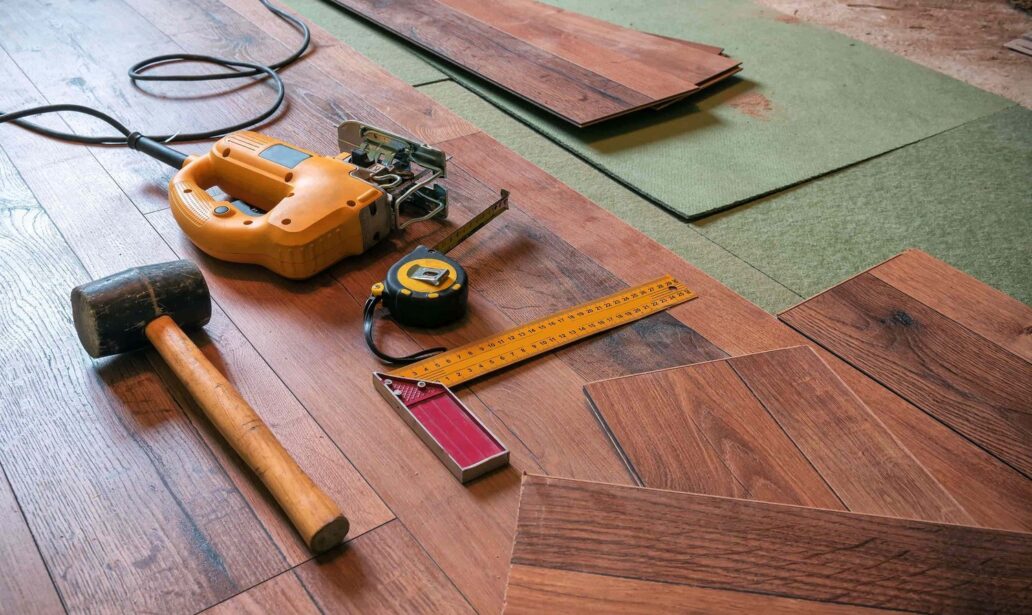
Maintaining and improving a home is a continuous process that every homeowner faces. From minor fixes to major renovations, the responsibilities of keeping a property functional, safe, and aesthetically pleasing can quickly pile up. One of the most pressing decisions during this journey is choosing between doing the work yourself or hiring professionals. While both options have their own set of advantages and drawbacks, the right choice often depends on the nature of the project, available resources, and your personal skills.
Understanding the Scope of Your Project
Before diving into the DIY vs. professional debate, it’s essential to understand the size and complexity of the task at hand. Not all projects are created equal. Cleaning out gutters or repainting a bedroom might be manageable for most people with some time and patience. On the other hand, rewiring electrical systems, installing plumbing lines, or knocking down structural walls requires specialized skills, tools, and permits.
The scope of your project will greatly influence whether it’s something you can tackle on your own or something best left to trained professionals. The more complex and risky the task, the more important it is to have the proper experience and knowledge.
The Appeal of DIY
There’s something deeply satisfying about completing a home project with your own hands. The DIY approach has grown immensely popular over the past decade, spurred on by online tutorials, reality television, and the growing availability of affordable tools and materials. Many homeowners enjoy the creative control, the hands-on learning, and most of all, the potential to save money.
DIY projects can be highly rewarding, especially when they turn out well. Painting rooms, assembling furniture, updating décor, repairing minor damage, or even installing basic shelving can usually be done without professional help. These types of tasks are excellent for people who like working with their hands, enjoy problem-solving, or want to develop new skills.
Cost Savings: One of the biggest reasons homeowners choose to go the DIY route is the potential to save money on labor costs. You only pay for the materials and tools, which can be significantly cheaper than paying for a contractor or specialist.
Flexibility: Working on your own schedule without relying on a contractor’s timeline gives you more control. If you’re not under any tight deadlines, you can work on the project when it’s most convenient for you.
Personal Satisfaction: There’s a unique pride that comes from knowing you built or repaired something in your home. DIY can be deeply fulfilling and even therapeutic for many people.
When DIY Goes Wrong
Despite its benefits, DIY home maintenance and renovation comes with serious risks if not done correctly. Inexperience, lack of proper tools, and underestimating the complexity of a job can lead to costly mistakes. A botched plumbing installation might result in water damage. Improper electrical work could be hazardous. Even a poorly hung cabinet could fall and cause injuries or property damage.
What starts as a money-saving effort could eventually cost more in repairs, not to mention the potential for safety violations or code infractions. Some municipalities require licensed professionals for certain types of work, and DIY jobs that don’t meet those requirements can affect your home insurance or future resale value.
The Benefits of Hiring Professionals
Bringing in a trained expert means you’re paying for more than just labor. You’re getting years of experience, access to high-quality tools, industry-standard techniques, and peace of mind. Professionals understand the nuances of building codes, permits, and structural integrity—things that many homeowners overlook or may not fully grasp.
Quality Assurance: Professionals are trained to deliver results that meet industry standards. This is especially important for major projects like roofing, HVAC installation, plumbing, or foundation repairs where poor workmanship can lead to significant long-term problems.
Time Efficiency: What may take a homeowner several weekends to complete can usually be done in a fraction of the time by a skilled crew. Hiring pros can drastically cut down your project timeline and reduce disruption to your household.
Safety and Liability: Professional contractors and tradespeople are trained to work safely and often carry insurance. In case of accidents or damage, you’re less likely to be held personally liable if the work was done by a licensed and insured professional.
Warranties and Guarantees: Many contractors offer warranties on their work, which gives you protection in case something goes wrong after the project is complete. This added security is often missing from DIY efforts.

When Hiring Professionals Doesn’t Make Sense
That said, hiring a professional is not always the best route. For small tasks or cosmetic upgrades, bringing in a contractor may not be cost-effective. Something as straightforward as changing cabinet knobs or re-caulking a bathtub can be done quickly and cheaply on your own. There’s also the issue of finding trustworthy professionals. Not every contractor delivers quality results, and hiring the wrong one can be a frustrating and expensive experience.
Homeowners should take the time to vet service providers, check reviews, compare quotes, and ensure the contractor is licensed and insured. Poor communication, missed deadlines, and overcharging are common complaints when dealing with less reputable companies. If you don’t do your homework, hiring a pro might be more of a headache than doing the work yourself.
Evaluating Your Skills Honestly
Knowing your limits is key. While it’s tempting to dive headfirst into a DIY project, it’s crucial to assess whether you have the necessary skills, tools, time, and patience to do it right. A good rule of thumb is this: if a mistake could lead to injury, major property damage, or violate local regulations, it’s likely time to call in the pros.
On the other hand, if the task is cosmetic or low-risk, and you have the motivation to learn, then it might be worth trying on your own. The internet is filled with high-quality instructional content, and many hardware stores even offer free classes for common home repairs and installations.
Combining DIY and Professional Help
In many cases, a hybrid approach works best. For instance, you might demolish an old deck or tear out old carpet yourself, then hire a professional to build a new structure or install new flooring. You might do the painting while hiring an electrician to install new lighting. This allows you to save money where possible while still ensuring the most critical aspects are handled correctly.
Many homeowners are now adopting this model: handling the labor-intensive but simple tasks themselves and relying on professionals for those parts of the project where quality, safety, and compliance really matter.

Making the Right Decision for Your Home
There’s no one-size-fits-all answer when it comes to choosing between DIY and hiring professionals for home maintenance and renovations. Every homeowner’s situation is different, influenced by budget, time constraints, personal interests, and skill levels. The key is to approach each project with honesty, planning, and care.
Small-scale, low-risk tasks can be incredibly satisfying and cost-effective to handle on your own, especially when you’re equipped with the right information and tools. But for more complex, technical, or risky jobs, the smart move is to trust the experts. Investing in professional help where it truly counts can prevent costly mistakes, safeguard your home’s value, and reduce stress.
Ultimately, whether you’re painting a wall or remodeling a kitchen, the goal is the same—to make your home a better place to live. Whether you pick up a hammer or the phone to call a contractor, make sure the path you choose aligns with your capabilities and goals. Homeownership is a journey, and finding the right balance between doing it yourself and relying on others is part of the adventure.