
When it comes to homeownership, there’s no such thing as a finished house. From small cosmetic upgrades to major structural repairs, home maintenance and renovations can often feel like an endless to-do list. The key to managing it all without getting overwhelmed—or spending more than you should—is learning how to prioritize. Whether you’re planning seasonal maintenance or diving into a long-overdue home renovation, knowing what to tackle first can save you time, money, and headaches down the road. Let’s explore how to prioritize projects in home maintenance and renovations for maximum value and peace of mind.
Start with Safety and Structural Concerns
The first rule in prioritizing home projects is simple: safety comes first. Any issue that threatens the safety of your household or the structural integrity of your home needs immediate attention. This includes problems like electrical faults, gas leaks, water damage, mold, roof leaks, foundation cracks, pest infestations, or faulty plumbing.
Delaying these repairs can lead to more extensive and expensive damage. For example, a small roof leak can eventually result in water-damaged ceilings, rotting wood, and mold growth. Similarly, ignoring a foundation issue could cause walls to crack and windows to stick, ultimately compromising your home’s structure. Address these critical areas as a top priority before considering aesthetic or optional upgrades.
Evaluate Financial Impact
Next, think about the financial repercussions of delaying or tackling a project. Some improvements can increase your home’s resale value or save you money over time.
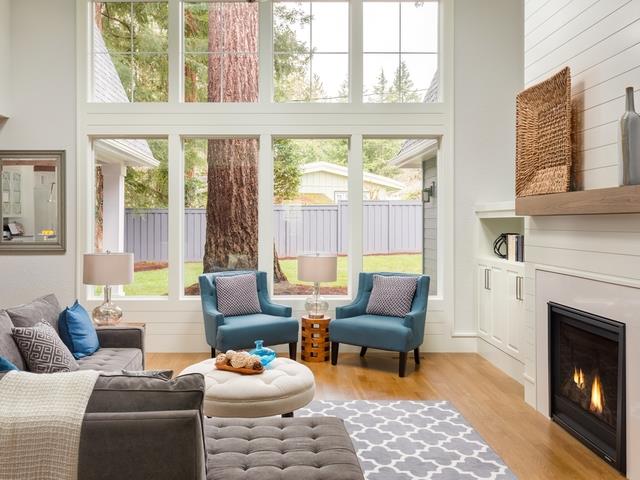
Energy-efficient upgrades, for instance, like insulating your attic or replacing old windows, may carry a hefty upfront cost but can reduce your utility bills in the long term.
On the other hand, if you’re considering renovations with a low return on investment—like installing a hot tub or building a luxury closet—it might be worth delaying until higher-priority items are completed. Prioritizing renovations that help you cut costs or add tangible value to your property should come before purely decorative or nonessential projects.
Consider Timing and Seasonality
Not all home projects can be done year-round. That’s why another crucial factor in prioritizing is the timing and seasonal suitability of the task. Exterior painting, roofing, landscaping, and foundation work are best completed in dry weather. Meanwhile, indoor renovations like kitchen remodels, bathroom upgrades, or flooring replacements can be tackled during any season.
Plan ahead by mapping out your home maintenance over the course of the year. For instance, schedule HVAC servicing in the spring or fall before extreme weather hits. Clean gutters in the fall after the leaves have dropped. Make your timeline work with the seasons to minimize delays and increase efficiency.
Break Down Your Goals
Every homeowner has goals—some practical, others aspirational. Maybe you want a modern kitchen, a finished basement, or a deck for entertaining. These dreams are valid, but they shouldn’t come at the expense of essential fixes or high-ROI improvements.
To manage your goals, break them into three categories:
- Must-do (urgent repairs or safety concerns)
- Should-do (projects that improve efficiency or prevent future damage)
- Nice-to-have (aesthetic or lifestyle enhancements)
Tackling your “must-do” list first ensures your home remains safe and functional. “Should-do” projects can be spaced out over time, depending on your budget. And “nice-to-have” projects can become rewards for progress or savings milestones. This system allows you to stay organized and prevents decision fatigue when juggling multiple tasks.
Know Your Budget and Financing Options
Prioritizing home maintenance and renovations is impossible without knowing your financial boundaries. Before starting any project, assess your available funds and whether you plan to pay in cash, use savings, or finance with a loan or line of credit.
Small projects like repainting a room or replacing a fixture might fit comfortably within your monthly budget. However, big renovations like kitchen overhauls or bathroom remodels may require more financial planning. Once you know what you can afford, you’ll be better able to line up projects in a realistic order, preventing unfinished work or debt overload.
Sometimes, bundling projects together makes more financial sense. For instance, if you’re redoing your floors, it might be the perfect time to upgrade baseboards or paint walls. Planning in clusters—based on the area of the house or type of work—can save on labor costs and materials.
Balance Functionality and Aesthetics
While it’s easy to get excited about the fun stuff—like choosing paint colors or upgrading your kitchen backsplash—those tasks often shouldn’t top the priority list. Still, aesthetics aren’t entirely superficial. A dated kitchen layout, worn-out carpet, or poor lighting can affect how you use your home and how happy you feel in it.
Prioritize aesthetic updates when they overlap with functional needs. For example, if your bathroom sink leaks, replacing it with a modern vanity solves a problem while improving the room’s look. Renovations that improve everyday comfort and convenience deserve a higher spot in your project queue, especially if you use those areas daily.
Assess Project Scope and Time Commitment
Before diving into a project, ask yourself how much disruption and time it will require. Larger renovations can take weeks or months and may require you to vacate parts of your home. If your schedule is already packed, it might make sense to handle smaller maintenance tasks first—like repairing a fence, resealing a driveway, or cleaning your HVAC system.
Meanwhile, if you’re preparing for a major life change—like welcoming a baby, caring for an elderly relative, or working from home more often—you might want to prioritize renovations that accommodate those needs. In such cases, creating a home office, adding accessibility features, or childproofing rooms might take precedence over cosmetic upgrades.
Revisit and Revise Regularly
Priorities can change. A leaky pipe may suddenly become more urgent than replacing your kitchen counters. That’s why it’s important to revisit your home maintenance plan regularly—monthly, quarterly, or at least annually.
Keep a running list of tasks, costs, deadlines, and contractors involved. If something unexpected comes up—like storm damage or an appliance breakdown—you’ll be able to shift priorities without completely derailing your long-term renovation goals. This ongoing evaluation keeps you flexible and ensures you stay on top of both urgent repairs and evolving desires.
Seek Professional Advice When Needed
It’s not always easy to know which project should come first, especially when you’re juggling costs, timing, and home conditions. If you’re feeling unsure, hiring a home inspector, contractor, or renovation consultant can help clarify your priorities.
Home inspectors can identify hidden issues, such as outdated wiring or early signs of foundation trouble. Contractors and designers can provide estimates, suggest timelines, and help you plan projects in a logical sequence. Their experience often highlights dependencies—such as installing wiring before drywall—that you might not have considered.
A well-informed strategy grounded in professional advice can help you avoid costly mistakes and keep projects running smoothly.
Prioritizing home maintenance and renovations doesn’t have to be overwhelming. By focusing first on safety and structure, aligning projects with your budget and goals, and staying aware of timing and scope, you can take control of your home’s upkeep without stress. Remember, not everything has to be done at once. The best approach is a thoughtful one—tackling what’s urgent, planning what’s next, and leaving room for inspiration.
Your home is a living space that evolves with you. Prioritizing wisely allows you to enjoy it fully while protecting your investment for years to come.