
Homeownership is both a privilege and a responsibility. While owning a home offers stability, comfort, and long-term investment benefits, it also demands ongoing care. Over time, wear and tear, weather conditions, and outdated systems can compromise both the functionality and appearance of your home. That’s why regular maintenance and strategic renovations are essential. Not only do they help retain and increase the value of your home, but they also ensure a safer, more comfortable, and energy-efficient living environment. If you’re unsure where to focus your time and budget, here are the top 10 home maintenance and renovation priorities every homeowner should keep in mind.
- Roof Inspection and Maintenance
Your roof serves as your home’s first defense against weather, so maintaining it is essential. Over time, roofing materials degrade due to sun exposure, rain, wind, and debris buildup. Small issues like missing shingles or cracked flashing can quickly turn into costly leaks or water damage if ignored. Homeowners should inspect their roofs at least once a year and always after extreme weather events. Clearing leaves from gutters, checking for moss growth, and ensuring proper drainage will significantly extend your roof’s lifespan and prevent interior damage from leaks.
- HVAC System Servicing
Few things affect comfort more than your heating, ventilation, and air conditioning (HVAC) system. When functioning correctly, it keeps your home at a consistent temperature year-round. However, dirty filters, neglected ducts, or worn components can reduce efficiency, increase energy bills, and even pose health risks due to poor air quality. Routine maintenance—including filter replacements every few months and annual professional inspections—can prevent sudden breakdowns, increase energy efficiency, and improve indoor air quality. A system that runs smoothly also lasts longer, saving you from premature replacement costs.
- Plumbing System Checks
Plumbing issues often start small—an occasional drip, a slow drain, or a faint smell—but can quickly escalate into expensive repairs. Leaky pipes, corroded fittings, or faulty water heaters can cause water damage, mold growth, and increased water bills. Homeowners should periodically check under sinks, around toilets, and near water heaters for signs of leaks or moisture. Drain cleaning, pipe insulation, and annual water heater flushing are simple but effective maintenance steps. Renovating older homes with outdated piping can also prevent sudden plumbing disasters.
- Kitchen Upgrades
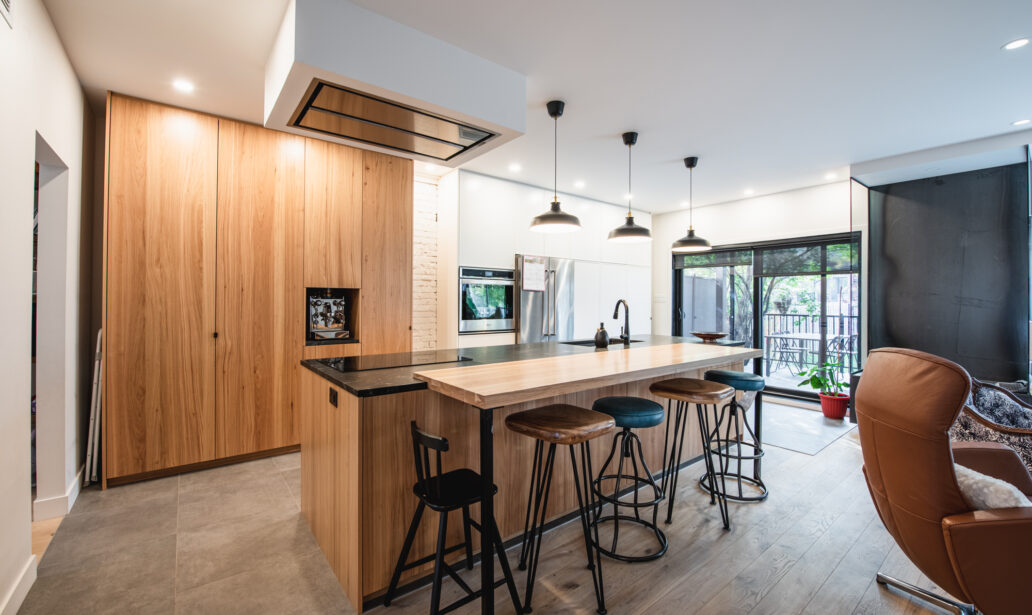
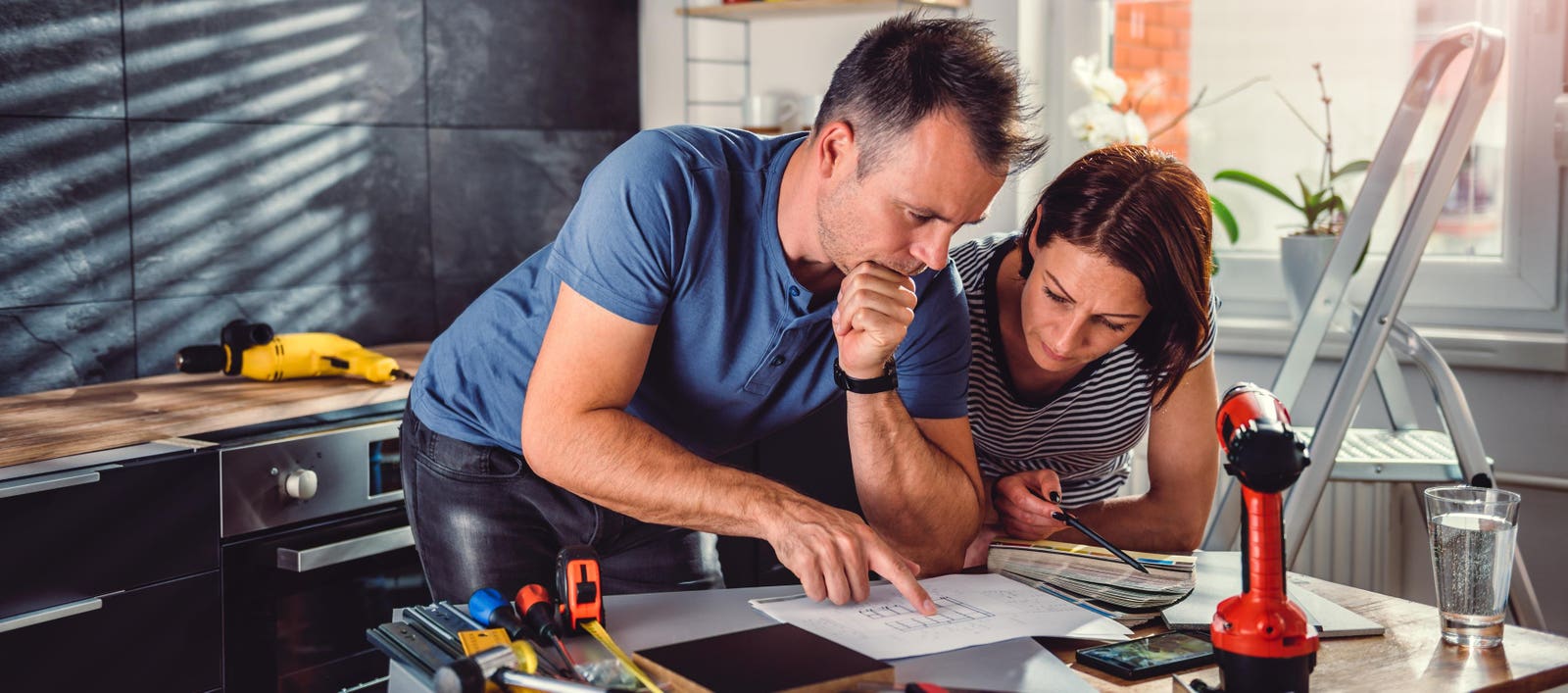
The kitchen is one of the most used spaces in any home. It’s not only where meals are made but also where families gather and guests tend to congregate. Because of this, keeping the kitchen modern and functional is a top priority for many homeowners. Renovations can vary from a full remodel to smaller changes like upgrading appliances, replacing countertops, installing a tile backsplash, or adding smart storage solutions. Even minor improvements, such as updating cabinet hardware or changing lighting fixtures, can significantly enhance both appearance and usability.
- Bathroom Renovations
Bathrooms are high-traffic areas that see constant use and are vulnerable to moisture-related issues like mold and mildew. Renovating a bathroom can include replacing outdated fixtures, installing water-saving toilets, improving lighting, or upgrading ventilation systems. These changes not only make the space more comfortable and efficient but also increase your home’s resale value. A fresh, modern bathroom can enhance your daily routine and reduce the risk of plumbing or structural issues caused by water leaks or humidity buildup.
- Foundation and Structural Integrity
While foundation issues aren’t always immediately visible, they are among the most serious problems a homeowner can face. Signs such as wall cracks, uneven floors, sticking doors, or moisture in the basement may indicate foundational shifts or damage. Routine inspections around the home’s perimeter and in crawl spaces or basements can help spot early warning signs. Addressing problems early can prevent major structural damage that could threaten the safety of your home and cost tens of thousands of dollars to repair. In older homes especially, reinforcing or updating the foundation should be a top priority.
- Window Repairs and Replacements
Windows play a crucial role in your home’s energy efficiency, security, and comfort. Drafty or single-pane windows can dramatically increase heating and cooling costs, while damaged frames or broken seals can lead to water infiltration and mold. Replacing old windows with energy-efficient models improves insulation and lowers utility bills. Additionally, modern windows often come with UV protection, which helps preserve flooring and furniture. For homeowners on a tighter budget, even resealing windows or adding weather stripping can yield noticeable benefits.
- Interior and Exterior Painting
A new coat of paint is one of the simplest and most affordable ways to refresh your home’s appearance. Interior painting can make rooms feel brighter, cleaner, and more inviting. Exterior painting, however, is more than just aesthetic—it protects your home from moisture, sun damage, and pests. Peeling, cracking, or fading paint should be addressed promptly to prevent damage to wood, siding, or trim. Maintaining a fresh coat of paint every few years can preserve the structural integrity of your home and boost curb appeal.
- Electrical System Updates
Outdated or overburdened electrical systems are not only inefficient—they can also be dangerous. Homes built decades ago often aren’t equipped to handle the electrical loads of modern appliances, entertainment systems, and technology. Flickering lights, frequently tripped breakers, or an insufficient number of outlets are signs your system may need an upgrade. Renovations might include installing new wiring, updating the circuit panel, or adding USB-compatible outlets. A modern, code-compliant electrical system ensures safety and allows your household to keep up with evolving power needs.
- Landscaping and Drainage
Curb appeal matters, but landscaping isn’t just about appearances. A well-maintained yard, with healthy grass, trimmed trees, and manicured flower beds, can elevate your home’s value and make outdoor spaces more enjoyable. More importantly, proper landscaping helps control drainage and protect your home’s foundation. Poor grading or clogged downspouts can lead to water pooling around the base of your home, causing moisture damage or basement flooding. Smart landscaping designs incorporate functional drainage solutions, native plants, and low-maintenance features to keep your yard beautiful and resilient.
Your home is likely your most significant investment, and preserving it takes more than just occasional cleaning and decorating. Proactive maintenance and thoughtful renovations ensure that your home remains safe, efficient, and valuable over the years. While it’s easy to put off certain tasks or wait for a visible problem to appear, the truth is that preventative action saves money, stress, and time in the long run.
By focusing on key areas like your roof, HVAC system, plumbing, and electrical infrastructure—alongside thoughtful upgrades to kitchens, bathrooms, and landscaping—you not only extend the lifespan of your home but also improve your day-to-day comfort. Every homeowner’s needs will vary depending on location, home age, and budget, but prioritizing these top 10 areas creates a strong foundation for a well-maintained and future-ready home.