
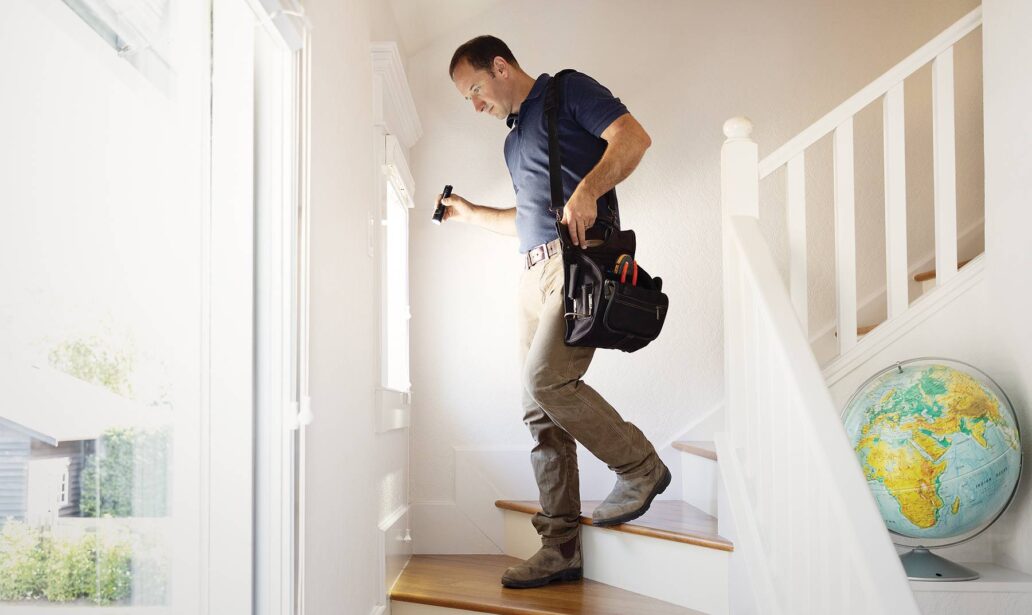
When it comes to home maintenance and renovations, inspections are the silent guardians of long-term safety, efficiency, and cost-effectiveness. Whether you’re planning to renovate an old kitchen, patch up a leaking roof, or simply maintain your home’s current condition, inspections are the first and most vital step in making smart, informed decisions. While it may seem like a formality or an added cost, a proper inspection often prevents the hidden disasters that can derail your entire project—or worse, compromise the safety of your home.
Let’s explore how inspections influence home maintenance and renovation planning, why they’re necessary, and how they ultimately save you money and stress over time.
Understanding What Home Inspections Involve
A home inspection is a thorough examination of a property’s condition, typically conducted by a licensed professional. During an inspection, the inspector evaluates all major systems and structures of the home, including the foundation, roof, plumbing, electrical wiring, HVAC systems, insulation, windows, and more. Their goal is to identify existing issues, safety hazards, and areas that might require attention in the near future.
While some homeowners only think of inspections when buying or selling property, regular home inspections play a crucial role in ongoing maintenance and smart renovation planning.
Why Inspections Are Essential Before Renovations
Renovations might be driven by aesthetics or the need for functional upgrades, but skipping a detailed inspection before starting can lead to expensive surprises.
For instance, imagine you’re remodeling a bathroom. Without an inspection, you might focus only on surface-level improvements—new tiles, a modern vanity, and upgraded fixtures. But if there’s hidden water damage beneath the floor, or outdated plumbing behind the walls, that beautiful renovation could quickly turn into a disaster zone. An inspection uncovers the unseen issues, allowing you to build or renovate on a solid foundation.
Moreover, inspections help ensure that any planned renovation complies with building codes and local safety standards. This is especially important when electrical or structural modifications are involved. By catching code violations or outdated systems early, inspections help you avoid costly rework later on.
Inspections as a Preventive Maintenance Tool
Inspections aren’t just for major projects—they are a vital part of preventive home maintenance. Regular inspections allow homeowners to stay ahead of potential issues. A yearly or biannual inspection can highlight problems such as termite infestations, minor roof leaks, foundation cracks, or mold growth before they worsen.
These routine check-ups are similar to getting your car serviced. Just as oil changes and tire rotations prevent engine damage, regular home inspections prevent the kind of slow deterioration that leads to major repair bills.
For example, a roof inspection might reveal that some shingles are beginning to curl or crack. Replacing those few shingles is inexpensive. Ignoring them could lead to leaks, mold, or structural damage that might cost thousands. Inspections help homeowners make small, manageable fixes before they become overwhelming.
The Role of Specialty Inspections
Not all inspections are the same. While a general home inspection covers a wide range of systems, specialty inspections dive deeper into specific areas. These include:
Roof Inspections – Often conducted by roofing contractors, they focus solely on the condition of your shingles, flashing, gutters, and structural integrity.
Pest Inspections – Essential in regions prone to termites or carpenter ants. These inspections can save your home from extensive wood damage.
HVAC Inspections – Done by HVAC professionals to ensure your heating and cooling systems are running efficiently and safely.
Plumbing Inspections – These detect leaks, corrosion, clogs, or outdated piping that could lead to serious water damage.
Electrical Inspections – Crucial before adding new lighting, rewiring, or expanding outlets, especially in older homes with outdated systems.
Each of these inspections provides targeted insight that a general inspection might only touch on. When planning a renovation or tackling a specific home system, these focused evaluations are invaluable.
Inspections Help You Prioritize Renovation Projects
Many homeowners face the same dilemma: they want to renovate, but they’re not sure where to start. Should the kitchen get a makeover, or should you fix the sagging floor in the hallway? A thorough inspection offers a roadmap. It tells you where the real problems are and what needs urgent attention versus what can wait.
Inspections are not just about identifying problems—they are decision-making tools. They guide homeowners toward smarter investments. You may discover, for example, that your outdated plumbing system poses a greater risk than your slightly dated kitchen cabinets. Armed with this information, you can invest in essential upgrades before moving on to cosmetic changes.
This prioritization also helps when working with a limited budget. Knowing where to focus funds ensures that every dollar spent contributes meaningfully to your home’s long-term value and safety.
Boosting Property Value Through Verified Improvements
Inspections serve as official documentation of your home’s condition before and after renovations. This documentation becomes incredibly useful if you plan to sell your home in the future.
Buyers feel more confident knowing that recent renovations were done with a full understanding of the home’s systems, and they’ll value the peace of mind that comes from seeing inspection reports that show improvements were necessary, planned, and completed correctly.
Additionally, if your renovations required permits or code compliance, having inspection records shows that your work was done legally and safely. This can streamline the home selling process and even boost your final sale price.
Inspections Help Avoid Legal and Insurance Issues
One area homeowners often overlook is how inspections intersect with legal and insurance requirements. If you’re renovating without an inspection, and a problem arises—say an electrical fire caused by faulty wiring—you may find that your homeowner’s insurance refuses to cover the damage because the issue could have been prevented.
Similarly, if your renovations violate local codes, you could be subject to fines or even be forced to undo your work. An inspection ensures that all updates are compliant with current regulations, helping protect you from legal or financial fallout.
In some cases, insurance companies might require inspections for continued coverage, especially if your home is older or located in a disaster-prone area. Keeping up with inspections isn’t just smart—it may be mandatory.
Partnering with Professionals for Inspections
While it may be tempting to conduct DIY inspections, professional inspectors bring trained eyes and specialized tools to the job. They know how to spot subtle issues that homeowners might miss—like minor foundation shifting, the early signs of wood rot, or electrical irregularities behind walls.
Hiring a certified inspector also adds legitimacy to your findings, especially if you need to negotiate repairs with a contractor or present results to an insurance agent. Their detailed reports provide an objective basis for decision-making and often include photographs, maintenance recommendations, and cost estimates.
It’s worth remembering that not all inspectors are equal. Look for licensed professionals with good reviews, and don’t hesitate to ask for references or sample reports. A reliable inspector doesn’t just give you a checklist—they offer peace of mind.
A Long-Term Investment in Peace of Mind
At its core, an inspection is an investment in the future health of your home. It’s a way to uncover hidden dangers, plan wisely, and avoid wasteful spending. Home maintenance and renovations can be stressful and expensive—but inspections reduce both by bringing transparency to the process.
They help you protect your home from the inside out, ensuring that every update you make contributes to a safe, beautiful, and functional space. Whether you’re maintaining your home for the long haul or preparing to sell in a competitive market, inspections are your first line of defense and your smartest planning tool.
By making inspections a regular part of your home care routine, you not only preserve your property—you elevate it. And in the world of homeownership, that’s one of the best returns on investment you can ask for.