
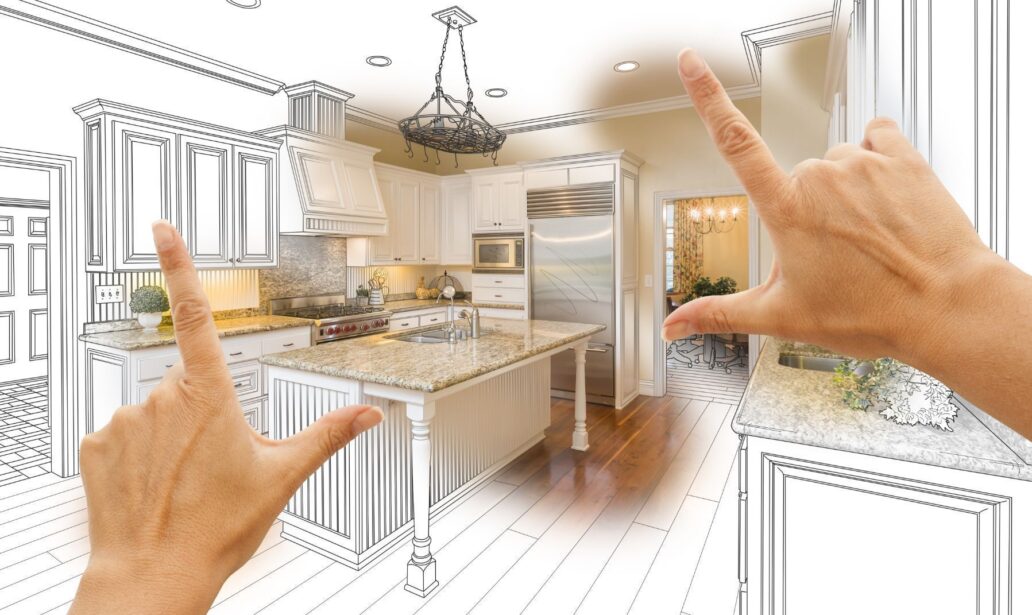
Selling a home is a major financial decision, and first impressions can significantly affect how quickly and profitably your property sells. One of the most effective ways to increase your home’s value, attract more buyers, and secure a successful sale is to carefully plan home maintenance and renovations before listing it on the market. This process not only enhances your home’s aesthetic appeal but also helps eliminate red flags that might come up during inspections or negotiations. In this blog post, we’ll guide you through the essential aspects of planning home maintenance and renovations before selling your home to make the process smooth, strategic, and rewarding.
Why Planning Ahead Matters
It’s not uncommon for homeowners to overlook the impact of pre-sale maintenance and upgrades. However, potential buyers notice everything—from leaky faucets to outdated finishes—and these details often influence their decision. Planning ahead allows you to address critical maintenance issues, choose renovations that yield the highest return on investment, and time your project effectively to avoid delays in selling.
Proper planning also gives you the flexibility to compare contractor quotes, secure permits if needed, and schedule repairs or upgrades without the stress of rushing. Most importantly, it ensures that your property hits the market in its best possible condition, maximizing both buyer interest and your final sale price.
Start With a Thorough Home Inspection
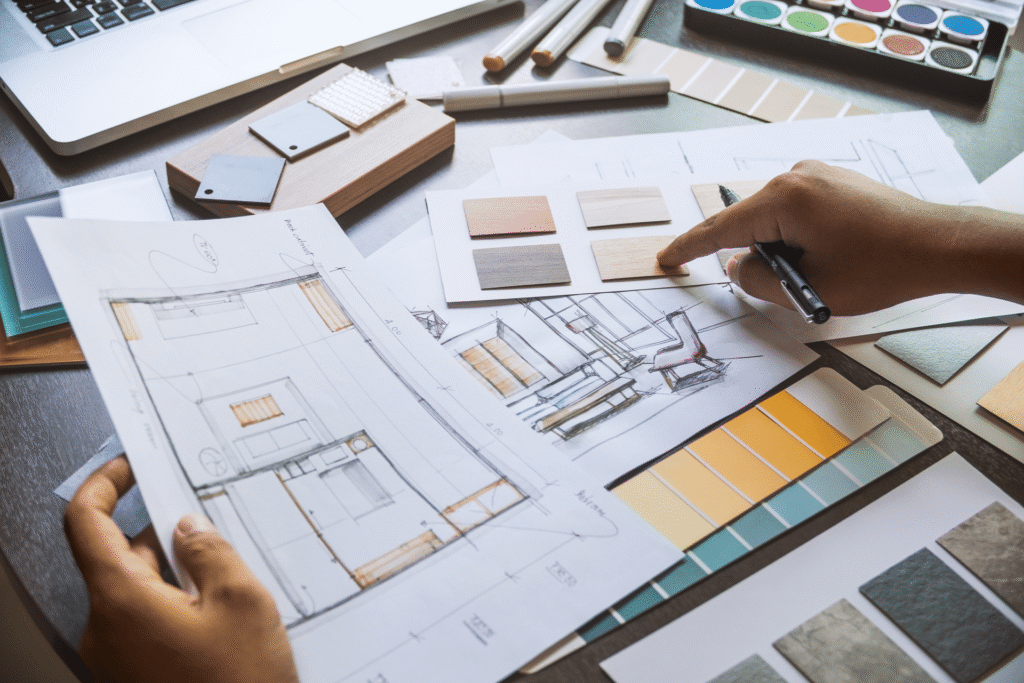
Before deciding what to renovate, it’s wise to conduct a full home inspection—even if it’s not required yet. This helps identify underlying issues that could derail a future sale. A pre-sale inspection report will show whether your electrical systems are up to code, the plumbing is leak-free, the HVAC system is functioning well, or if there are hidden structural problems.
Knowing what needs attention helps you prioritize repairs over cosmetic updates. Fixing foundational issues first builds buyer trust and reduces the chance of last-minute deal breakers. It also gives you a strategic blueprint for deciding where to spend your renovation budget effectively.
Focus on Essential Repairs First
Before jumping into aesthetic upgrades, tackle any visible damage or neglected maintenance. Leaky roofs, malfunctioning windows, peeling paint, and faulty appliances should be addressed promptly. These are the red flags that buyers—and their agents—notice first. If your home looks neglected, even small flaws can snowball into concerns about the overall condition of the property.
Simple fixes like patching drywall, replacing cracked tiles, repairing broken locks, or unclogging gutters can significantly improve your home’s presentation. Ensuring that everything is in working order tells potential buyers that the home has been well cared for, making it easier for them to trust your asking price.
Choose Renovations That Increase Value
Not all home improvements offer the same return on investment. Focus on renovations that add real value and appeal to a broad market. Kitchens and bathrooms tend to have the highest ROI because buyers often pay extra for modern, updated spaces. A minor kitchen remodel—such as replacing countertops, painting cabinets, and upgrading fixtures—can make a big impact without a huge budget.
Other upgrades that add value include:
- Replacing outdated lighting fixtures
- Installing new flooring or refinishing hardwoods
- Upgrading to energy-efficient windows and appliances
- Refreshing the paint with neutral tones
- Adding curb appeal with landscaping and an inviting front entry
When planning renovations, consider your neighborhood standards. You don’t need to outdo every home on the block, but matching—or slightly exceeding—local expectations will give your property a competitive edge.
Don’t Over-Renovate
While it’s tempting to go all out with renovations, especially if you want to impress potential buyers, over-renovating can backfire. The goal is to make your home market-ready without sinking unnecessary costs into luxury features that won’t increase the sale price. For example, installing a high-end wine cellar or converting a bedroom into a custom gym may not appeal to most buyers.
Instead, stick to universally appealing updates. Ask your real estate agent for advice on what buyers in your area are looking for. A good agent can provide insight into local trends and which updates are most likely to resonate with your target market.
Time Your Renovations Wisely
Timing is everything when preparing to sell. If you’re aiming to list your home during a peak selling season—like spring or early summer—start planning several months in advance. Some repairs, such as roof replacements or exterior painting, depend on good weather conditions. Others, like kitchen remodels or flooring upgrades, may involve long lead times for materials or scheduling with contractors.
Rushing renovations right before listing can lead to costly mistakes or incomplete work, which may hurt your sale. By creating a timeline and working backwards from your intended listing date, you’ll give yourself enough time to do the job right without unnecessary pressure.
Don’t Neglect Curb Appeal
First impressions are formed the moment a buyer sees your home from the street. That’s why curb appeal is one of the most important—and cost-effective—parts of preparing your home for sale. Clean up your landscaping, trim overgrown bushes, power wash the driveway, and make sure the front door and porch area look welcoming.
Something as simple as planting fresh flowers or repainting the front door can make your home more inviting. If the exterior is clean, well-maintained, and attractive, buyers are more likely to feel excited about what they’ll see inside.
Consider Professional Staging After Renovations
Once your renovations and repairs are complete, think about professional staging to highlight your home’s best features. Staging can help buyers visualize how they might use each space and gives a sense of scale, flow, and comfort. Even if you don’t hire a full-service stager, simple strategies like decluttering, rearranging furniture, and adding tasteful decor can go a long way in creating a polished look.
This step complements your renovation efforts by allowing the improvements to shine. A freshly painted room with upgraded lighting and staging tells a compelling story of a move-in-ready, stylish home.
Set a Realistic Budget and Stick to It
It’s easy to let renovation costs spiral out of control, especially when you’re emotionally invested in your home. To avoid overspending, set a firm budget from the start. Break it down into categories: repairs, updates, landscaping, staging, and contingency (typically 10-15% for unexpected issues).
Gather multiple quotes before hiring contractors and be wary of underbids that seem too good to be true. Look for experienced professionals who understand pre-sale renovations and can help you make smart choices that align with your goals. If needed, prioritize projects in stages to stay within your budget.
Work With Real Estate Professionals
Planning home maintenance and renovations before selling isn’t something you have to do alone. In fact, it’s often best to work closely with a real estate professional who can offer objective advice. They can walk through your home, identify potential problems, and suggest updates that are most likely to increase your home’s appeal and value in your local market.
Additionally, they may have trusted contractor referrals, staging contacts, and tips for coordinating your home prep with your selling timeline. Their guidance ensures you’re investing your time and money wisely to get the best return.

A Strategic Approach Pays Off
Preparing your home for sale with thoughtful maintenance and renovations can make a remarkable difference in both your selling experience and your final profit. By planning carefully—starting with inspections, focusing on high-impact upgrades, sticking to your budget, and working with professionals—you’ll create a home that stands out in the market.
Buyers aren’t just shopping for square footage; they’re looking for a space they can see themselves living in. Presenting a well-maintained, updated home invites strong offers, shortens time on market, and puts you in a strong negotiating position. With the right approach, your home sale can be faster, smoother, and more lucrative.