
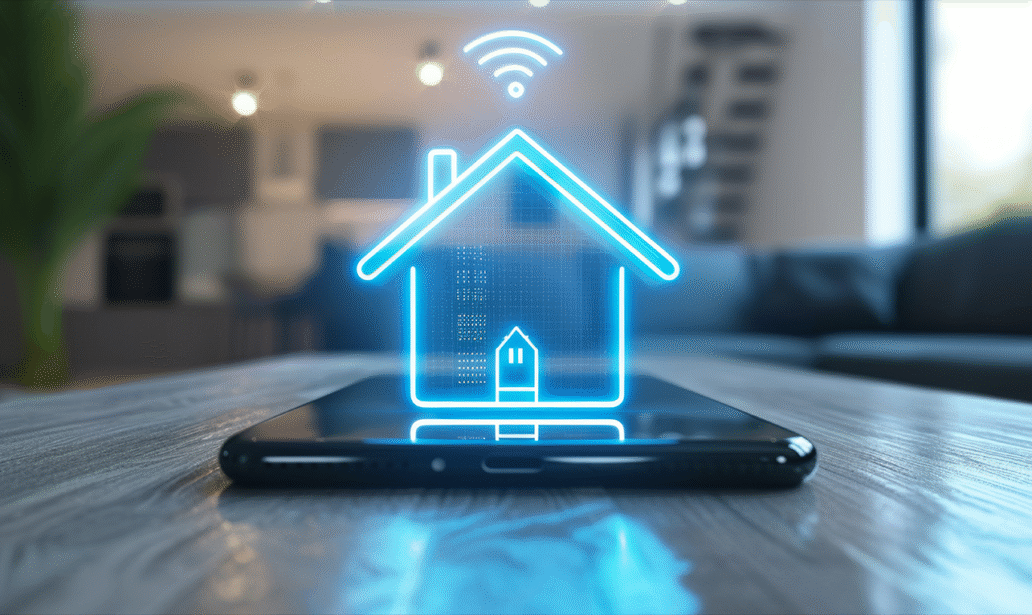
The way we maintain and renovate our homes has entered an entirely new era, driven by rapid advancements in smart technology. No longer are homeowners reliant on reactive measures or manual monitoring to keep their property in good condition. Today, with the help of interconnected devices, intelligent systems, and data-driven insights, the process of home maintenance and renovation has become more efficient, predictive, and personalized. Smart technology not only streamlines daily upkeep but also brings long-term value, convenience, and sustainability to the forefront of modern homeownership.
Predictive Maintenance with Smart Sensors
One of the most revolutionary aspects of smart technology in home maintenance is predictive maintenance. Traditional maintenance is often reactive—you fix something once it breaks. Smart homes, however, can anticipate problems before they happen. This shift is made possible through the use of sensors and devices that monitor everything from plumbing and electrical systems to HVAC performance and appliance efficiency.

For example, smart water sensors placed beneath sinks, near water heaters, or behind washing machines can detect leaks the moment they occur. Many of these devices are connected to an app, sending immediate alerts to your phone. Some even have the ability to shut off the water supply automatically to prevent widespread damage. Similarly, HVAC systems now come equipped with diagnostic features that inform homeowners when a filter needs replacing or if there’s an issue with performance. These small alerts can prevent costly repairs down the line.
Energy Efficiency Through Smart Upgrades
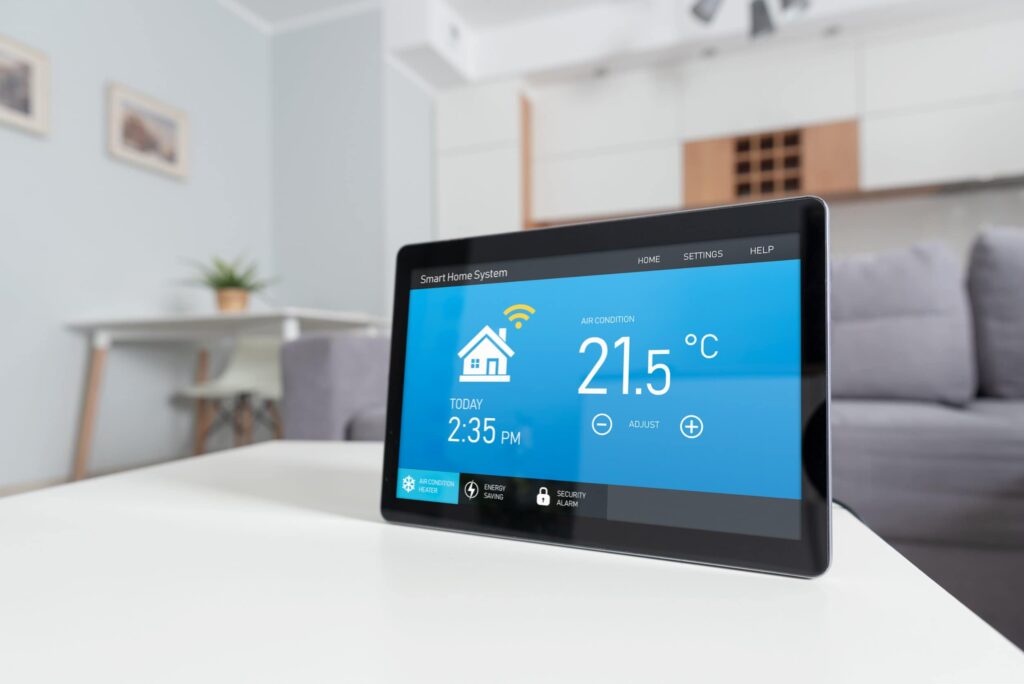
Smart home technology also plays a significant role in making homes more energy-efficient. This not only reduces monthly utility bills but also contributes to sustainability goals. Smart thermostats are perhaps the most well-known of these upgrades. Devices like the Google Nest or Ecobee learn your habits and automatically adjust the temperature to optimize comfort and minimize waste. Over time, these thermostats can drastically cut down on heating and cooling costs.
Another advancement lies in smart lighting. Homeowners can install LED lights that are not only energy-efficient but can also be programmed to turn off when no one is in the room, dim automatically at certain times, or even change color temperature based on the time of day. This type of automation ensures electricity is never wasted and can also contribute to the overall ambiance and functionality of a space.
Security and Surveillance Enhancements
Smart security systems have transformed the way homeowners protect their properties. Renovations increasingly include the integration of surveillance cameras, motion detectors, video doorbells, smart locks, and window sensors. These systems work together to provide real-time updates, remote monitoring, and even AI-powered threat detection.
For example, smart locks can be controlled via a smartphone, allowing you to lock or unlock doors remotely, grant access to guests, or receive notifications if someone tries to tamper with the lock. Video doorbells not only show who’s at your door but also record footage, detect packages, and send alerts. These features add significant peace of mind and are especially useful for people who travel frequently or manage vacation properties.
Smart Kitchens and Bathrooms
Renovations provide an ideal opportunity to incorporate smart appliances and systems, especially in kitchens and bathrooms. These two areas see heavy use, and smart tech can make them more functional and enjoyable. In the kitchen, smart refrigerators can track expiration dates, recommend recipes based on contents, and even notify you if the door is left open. Smart ovens can preheat remotely and adjust cooking times based on the recipe selected via an app.
In bathrooms, smart mirrors can display weather updates, traffic alerts, and news headlines while you get ready in the morning. Toilets now offer self-cleaning functions, bidet attachments, and motion-activated flushing. Shower systems can be controlled with voice commands or smartphone apps to maintain precise water temperature and flow preferences. These upgrades may sound futuristic, but they’re becoming increasingly common in modern renovations and add value to any home.
Voice Control and Home Integration
Centralizing control of various systems in your home is now easier than ever with voice assistants like Amazon Alexa, Google Assistant, or Apple HomeKit. These platforms allow homeowners to manage everything from lights and locks to thermostats and security cameras—all through simple voice commands or via smartphone apps.
When undergoing renovations, it’s wise to consider a unified ecosystem where all smart devices can communicate seamlessly. This ensures consistent user experience and makes managing your home feel intuitive. Some homeowners are now choosing to hardwire smart hubs directly into the home during remodeling, embedding automation into the architecture itself. This level of integration not only boosts convenience but also creates a more polished and future-ready home.
Innovative Materials and Construction Methods
Smart technology isn’t limited to gadgets and devices—it’s also revolutionizing the materials used in renovations. Innovative construction materials such as self-healing concrete, which repairs its own cracks over time, and dynamic insulation that adapts to outdoor temperatures are entering residential use. Thermochromic windows that darken based on sunlight levels can help regulate indoor temperatures without the need for blinds or curtains.
These advanced materials reduce the frequency of maintenance, extend the longevity of structures, and significantly improve energy efficiency. As these technologies become more accessible, homeowners doing major renovations should explore their potential not just for functionality, but also for long-term cost savings and sustainability.
Planning with Augmented and Virtual Reality
Homeowners can now plan renovations with greater accuracy and confidence using augmented reality (AR) and virtual reality (VR) tools. These technologies allow for immersive experiences where users can visualize different layouts, color schemes, and design elements in real time. Whether it’s previewing a new kitchen layout or experimenting with wall colors, these tools help prevent expensive errors and allow for more informed decisions.
Some apps even use smart measurements and 3D scanning to generate exact room dimensions, which is especially helpful during kitchen or bathroom remodels. The ability to virtually “walk through” your newly designed space before a single hammer is lifted transforms the planning phase into an interactive, engaging process.
Outdoor Smart Tech and Maintenance
Outdoor areas of the home are not exempt from the smart revolution. Landscaping can now be maintained with smart irrigation systems that monitor weather patterns and soil conditions to water plants only when necessary. This saves water and prevents overwatering. Robotic lawn mowers, guided by GPS and sensors, can keep your lawn trimmed automatically with little to no supervision.
Smart lighting systems for outdoor spaces offer added security and ambiance. Motion-sensor lights, programmable LED strips, and solar-powered fixtures that connect to your home system provide safety and style. These upgrades are perfect for patios, walkways, gardens, and even driveways.
Cost Considerations and Long-Term Value
While the upfront investment in smart technology may seem high compared to traditional solutions, the long-term value often justifies the cost. Lower utility bills, increased property value, enhanced security, and fewer repair emergencies all contribute to a higher return on investment. Moreover, as technology becomes more mainstream, prices continue to drop and adoption grows.
Homeowners should also be aware of potential rebates or tax incentives for energy-efficient upgrades. Utility companies and local governments often provide financial incentives for installing smart thermostats, lighting systems, and energy-saving appliances. These benefits further reduce the cost burden and make smart renovations more accessible.
Security, Privacy, and Compatibility
With the adoption of smart technology comes the responsibility of ensuring digital security. Homeowners should choose devices with strong encryption protocols, update software regularly, and use secure Wi-Fi networks. Ensuring compatibility between devices is also crucial. Not all smart gadgets work well together, so selecting products within a unified platform like Google Home, Amazon Alexa, or Apple HomeKit can make integration smoother.
It’s also wise to consult with professionals during the planning and installation phases to avoid technical headaches later. Tech-savvy contractors and designers can help identify the best solutions for your needs and budget, ensuring the technology enhances rather than complicates your life.
Future-Proofing Your Home
Smart technology in home maintenance and renovations is more than just a trend—it represents the future of homeownership. These innovations empower homeowners to be proactive rather than reactive, reduce their environmental footprint, increase convenience, and elevate the overall living experience. Whether you’re performing routine upgrades or planning a major renovation, incorporating smart systems today ensures that your home remains modern, efficient, and responsive for years to come.
By embracing these advancements, homeowners not only future-proof their properties but also gain a new level of control and comfort that defines modern living.