
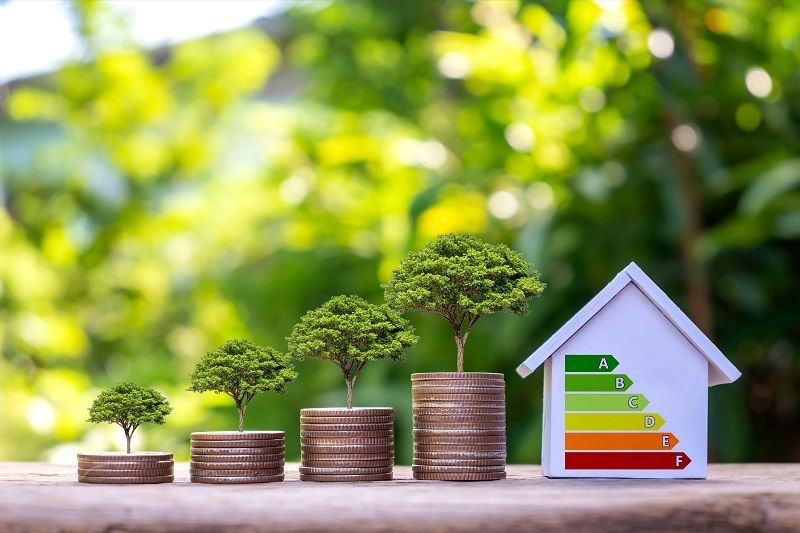
Energy efficiency is more than a buzzword—it’s an essential part of responsible homeownership. By maintaining and renovating your home with energy savings in mind, you can reduce utility bills, extend the life of your home’s systems, and contribute positively to the environment. This guide explores practical, achievable ways to keep your home energy efficient through both regular maintenance and smart renovations.
Start with an Energy Audit
Before making any changes, it’s important to understand how your home currently uses energy. A home energy audit provides a detailed assessment of where your house is losing energy and what upgrades will offer the most savings. This evaluation can be done by professionals or through DIY kits available on the market. Audits typically examine insulation, air leaks, HVAC performance, lighting, appliance efficiency, and more.
Once you know where the issues lie, you can prioritize your efforts. Often, homeowners are surprised to learn just how much energy is lost through small gaps and outdated systems.
Upgrade Insulation to Reduce Heat Loss
Insulation is one of the most effective ways to boost energy efficiency. Over time, insulation materials may settle, degrade, or become less effective. Poor insulation means your home has to work harder to stay warm in the winter and cool in the summer.
The attic is usually the first place to start since heat rises and escapes through the roof. But don’t neglect walls, basements, and crawlspaces, which also contribute to overall thermal performance. Adding or upgrading insulation in these areas can provide year-round benefits and significantly lower your heating and cooling bills.
Seal Air Leaks and Drafts
One of the most common sources of energy loss is air leaks. These tiny gaps around windows, doors, outlets, and vents can let conditioned air escape and allow outdoor air to creep in, making your heating or cooling system work overtime.
Weather stripping around doors, caulk around window frames, and spray foam insulation in crawlspaces or attic gaps can make a big difference. Sealing these leaks not only improves comfort but also creates a more consistent indoor climate, which reduces strain on your HVAC system.
Replace or Upgrade Windows
Old, single-pane windows are a major source of energy inefficiency. If your windows are more than 15-20 years old, they might be letting out more heat than you realize. Upgrading to double- or triple-pane windows with low-emissivity (Low-E) coatings can significantly reduce heat transfer.
If full window replacement is outside your current budget, there are still steps you can take. Window film, insulated curtains, and storm windows are affordable alternatives that still offer measurable energy improvements.
Maintain or Replace HVAC Systems
Heating and cooling systems consume a large portion of home energy. Routine maintenance—such as changing filters, cleaning ducts, and scheduling annual inspections—ensures that your HVAC system runs efficiently. Dirty filters or leaky ductwork force your system to work harder, consuming more energy than necessary.
If your HVAC unit is over a decade old, it might be time to consider a replacement. Modern high-efficiency units can use up to 30% less energy than older models. A new system, while an investment upfront, can pay for itself through reduced utility bills in the long run.
Install a Smart or Programmable Thermostat
A smart thermostat gives you precise control over your home’s climate and can adapt to your daily routine. These devices learn when you’re home and away, automatically adjusting temperatures to reduce unnecessary energy use.
You can also control smart thermostats remotely, ensuring you’re not heating or cooling an empty home. Over time, these adjustments can save hundreds of dollars in heating and cooling costs without sacrificing comfort.
Improve Water Heating Efficiency
Water heaters are another often-overlooked source of energy consumption. Traditional tank water heaters keep water hot around the clock, which can waste energy when it’s not being used. Switching to a tankless water heater, which heats water on demand, can significantly cut down energy usage.
If replacing the unit isn’t feasible, you can still improve efficiency by insulating the water heater tank and pipes. Reducing the water heater temperature to around 120 degrees Fahrenheit can also lower energy costs without affecting performance.
Switch to LED Lighting
Lighting may seem like a small part of the energy puzzle, but it adds up—especially if you’re using outdated incandescent bulbs. LED bulbs use up to 80% less energy and last significantly longer. Replacing all the bulbs in your home can be a quick, cost-effective way to reduce energy use.
Installing dimmer switches and motion sensors can further lower energy usage by ensuring lights are only on when needed. Natural lighting should also be considered during renovations; adding skylights or larger windows can reduce the need for artificial light during daylight hours.
Choose Energy-Efficient Appliances
When it’s time to replace old appliances, always look for the ENERGY STAR label. Appliances with this certification meet strict energy efficiency guidelines and consume less electricity and water than standard models.
Refrigerators, dishwashers, washing machines, and dryers have all evolved in terms of performance and energy use. Making the switch can lead to noticeable drops in your monthly utility bills. Plus, many local utility companies offer rebates or tax credits for homeowners who choose energy-efficient appliances.
Consider Roofing and Exterior Renovations
Your roof plays a big role in your home’s thermal performance. A reflective or “cool” roof can help deflect sunlight, reducing the amount of heat that enters your home. Light-colored or specially coated roofing materials are ideal for warmer climates where cooling costs are high.
During exterior renovations, also look into adding or improving ventilation in your attic. Proper ventilation allows hot air to escape, helping your cooling system operate more efficiently. Insulated siding can also reduce heat transfer and improve the exterior envelope of your home.
Incorporate Energy-Saving Landscaping
Strategic landscaping can help regulate your home’s temperature naturally. Planting deciduous trees on the south and west sides of your home provides shade in the summer and allows sunlight through in the winter when the leaves fall.
Bushes and shrubs placed close to the foundation can provide windbreaks in colder climates. These natural barriers act as insulation, reducing heating and cooling needs and improving comfort inside the home.
Use Sustainable and Efficient Building Materials
If you’re planning a renovation, the materials you choose make a big impact. Opt for eco-friendly and energy-efficient building materials like recycled insulation, reclaimed wood, low-VOC paint, and sustainable flooring.
Energy-efficient windows, doors, and siding also offer better insulation properties than conventional materials. These not only improve your home’s performance but also create a healthier indoor environment by minimizing exposure to toxins and pollutants.
Monitor and Adjust Energy Usage
After making improvements, it’s important to continue monitoring your energy usage. Smart home energy monitors allow you to track consumption in real-time, identifying spikes or areas of waste. They also encourage better habits by showing how simple actions—like turning off lights or unplugging devices—can make a measurable difference.
Continually adjusting your behavior and remaining vigilant about maintenance ensures that your energy-saving efforts are preserved over time.
Maintaining an energy-efficient home is not a one-time task; it’s an ongoing commitment to smarter living. Through regular upkeep, strategic upgrades, and thoughtful renovations, you can reduce your energy bills, increase your home’s value, and lessen your environmental impact. Whether you’re sealing up drafts, replacing inefficient appliances, or planning a full-scale remodel, every effort contributes to a more efficient, comfortable, and sustainable home. In today’s world, energy efficiency isn’t just a nice-to-have feature—it’s a fundamental aspect of modern homeownership.