
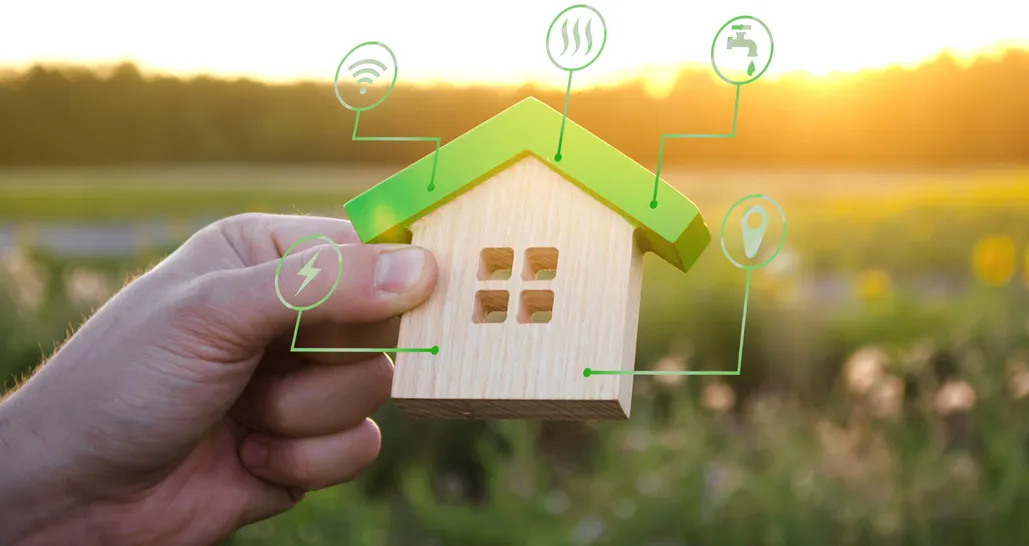
Taking care of a home is a long-term responsibility, but it’s also an opportunity to make meaningful choices that support the environment. Eco-friendly home maintenance and renovations aren’t just good for the planet—they’re beneficial for your health, your wallet, and the future value of your property. As environmental awareness grows, homeowners are seeking sustainable ways to upgrade and maintain their living spaces without compromising on comfort or aesthetics. The good news is that going green at home doesn’t require extreme changes. With thoughtful planning and conscious decision-making, anyone can adopt eco-friendly habits that make a real impact.
Start with Energy Efficiency
One of the most effective ways to make a home more eco-friendly is by improving its energy efficiency. Heating and cooling systems consume a significant amount of energy, especially in older homes. Begin by evaluating your insulation. Properly insulating the attic, walls, and floors can reduce the need for heating in winter and air conditioning in summer. Check for drafts around windows and doors, and seal them with weather stripping or caulk. These small, low-cost improvements reduce energy loss and lower utility bills.
Windows also play a crucial role in regulating indoor temperatures. Replacing single-pane windows with double- or triple-pane alternatives helps maintain a consistent indoor climate. If replacement isn’t feasible, installing thermal curtains or using insulating window films can still make a noticeable difference. Additionally, adding skylights or solar tubes allows natural daylight to flood interior spaces, reducing the need for electric lighting.
Choose Sustainable Materials
When planning renovations, the materials you choose have a major impact on the environment. Sustainable materials are either renewable, recycled, or require fewer resources to produce. Reclaimed wood is a prime example—it’s durable, full of character, and prevents unnecessary logging. Bamboo is another popular option because it grows quickly and replenishes rapidly compared to traditional hardwoods.
Recycled metal, concrete, and glass are also ideal choices for environmentally conscious construction.
These materials often have a smaller carbon footprint and are just as strong and functional as new ones. Choosing local materials wherever possible also cuts down on transportation emissions, adding another layer of sustainability to your project.

Low-VOC Paints and Finishes
Paint and finishes often contain volatile organic compounds (VOCs), which are harmful to both indoor air quality and the environment. When painting walls or refinishing furniture, opt for low-VOC or zero-VOC products. These eco-friendly alternatives release fewer toxins into the air, making your home safer to breathe in and more environmentally sound.
Beyond paint, this principle also applies to adhesives, sealants, and finishes. Many companies now offer environmentally responsible versions of these products, and making the switch is a simple way to reduce harmful emissions during renovation.
Water Conservation Upgrades
Water is a precious resource, and conserving it should be a top priority in eco-friendly home maintenance. Updating plumbing fixtures to low-flow models can drastically reduce water usage without sacrificing performance. Install low-flow showerheads, faucets, and dual-flush toilets to see immediate reductions in consumption.
For outdoor areas, drought-resistant landscaping or xeriscaping is both beautiful and practical. Native plants are already adapted to local climate conditions, meaning they require less water and maintenance. Using mulch in flower beds retains moisture and minimizes evaporation. Installing a rainwater harvesting system—such as rain barrels—allows you to collect and reuse rainwater for irrigation, reducing dependence on municipal water.
Invest in Renewable Energy
For homeowners ready to take a bigger step, investing in renewable energy is one of the most impactful eco-friendly upgrades available. Solar panels are increasingly affordable and efficient, and many local governments offer rebates or incentives to help offset installation costs. A solar water heater is another option that uses the sun’s energy to provide hot water year-round with minimal electricity.
Even small solar-powered systems, such as outdoor lights, attic fans, or garden pumps, can reduce overall energy use. While the upfront cost of these solutions might seem steep, the long-term savings and environmental benefits make them worthwhile investments.
Smart Appliances and Home Systems
Modern technology has introduced a wide range of energy-efficient appliances and smart home systems designed to minimize waste. When replacing household appliances, choose those with the Energy Star label. These appliances meet strict energy efficiency guidelines set by government programs, saving electricity and water while maintaining top performance.
Smart thermostats are another valuable tool in eco-friendly home maintenance. They learn your habits, adjust temperatures automatically, and can be controlled remotely. This reduces unnecessary heating or cooling, lowers energy bills, and contributes to a more efficient household.
Sustainable Flooring Choices
Flooring is one of the most visible and frequently used elements in any home, and it’s an area where sustainable choices shine. Bamboo flooring is a strong, attractive, and fast-growing alternative to traditional hardwood. Cork is another eco-friendly option that’s naturally antimicrobial, comfortable underfoot, and made from harvested bark, allowing trees to live on.
Reclaimed hardwood flooring brings timeless beauty while avoiding new deforestation. For a more natural look, linoleum made from linseed oil and wood flour is biodegradable and has been used for generations. Choosing carpeting made from wool or other natural fibers, and ensuring it’s free from toxic backing or adhesives, can also improve indoor air quality and environmental health.
Reduce, Reuse, Recycle During Renovations
Construction and renovation projects often produce a lot of waste, but much of it doesn’t need to end up in a landfill. Salvaging usable materials—such as cabinets, tiles, bricks, or wood—can reduce your project’s environmental impact. Items like old doors or countertops can often be repurposed or donated to building material reuse centers.
Always recycle what you can, including metals, concrete, and drywall. Some renovation companies now specialize in deconstruction rather than demolition, carefully taking apart structures so that materials can be reused or recycled. These practices help conserve resources and reduce waste while saving money in many cases.
Green Cleaning and Maintenance
Eco-friendly maintenance doesn’t stop after the renovations are complete. Ongoing upkeep using environmentally responsible products is just as important. Avoid harsh chemical cleaners that contribute to indoor air pollution and water contamination. Instead, use biodegradable, non-toxic cleaners made from natural ingredients like vinegar, baking soda, and citrus oils.
Regular home maintenance can also improve efficiency. Clean HVAC filters frequently, check for water leaks, and service appliances to keep them in optimal condition. Maintaining your systems means they run more efficiently and last longer, reducing the need for replacements and waste.

Greener Outdoor Spaces
If you have a yard, patio, or garden, these outdoor areas offer plenty of opportunities to go green. Composting kitchen and yard waste creates rich, organic fertilizer that reduces landfill use and nourishes your garden naturally. Using natural pest control methods rather than chemical pesticides helps protect pollinators and keep your ecosystem balanced.
Installing permeable pavers for driveways or walkways allows water to filter through into the ground instead of running off into storm drains. Living roofs and green walls not only look impressive but also improve insulation, reduce stormwater runoff, and support biodiversity.
Eco-friendly home maintenance and renovations aren’t about perfection—they’re about making smarter, more sustainable choices whenever possible. Whether you start by swapping out old light bulbs for LEDs or go all-in with solar panels and a graywater recycling system, every effort contributes to a more energy-efficient, water-conscious, and environmentally sound home.
The journey toward a greener home begins with awareness and intention. With each step, homeowners can reduce their environmental footprint, lower their utility bills, and create a healthier space for themselves and their families. Embracing eco-friendly practices isn’t just a trend—it’s a long-term commitment to living responsibly and preserving the planet for generations to come.