
Purchasing your first home is a monumental step in life—one filled with excitement, pride, and a sense of achievement. But with that shiny new set of keys comes an equally important reality: the responsibility of upkeep and improvement. For first-time homeowners, the shift from renting to owning a property can be overwhelming. Suddenly, clogged drains, faulty switches, peeling paint, and leaky roofs are your problems to solve. Understanding home maintenance and planning smart renovations early can save you stress, money, and time in the long run. It’s not just about aesthetics or resale value—it’s about safety, efficiency, and preserving your investment.
Why Regular Home Maintenance Matters
Home maintenance is not a luxury or something to consider only when something breaks. It’s an essential practice that helps you prevent costly damage, extend the life of your home’s systems, and maintain its market value. When small issues are ignored, they usually snowball into bigger, more expensive problems. A leaky faucet can lead to water damage. A cracked gutter can cause foundation issues. Dirty HVAC filters can reduce air quality and raise energy bills.
Maintenance doesn’t always mean big tasks. It could be something as simple as replacing weather stripping to prevent drafts, or resealing bathroom tiles to avoid mold. But these “small” things done regularly create long-term security. Creating a seasonal checklist and sticking to it is one of the best habits a first-time homeowner can develop.
Getting Familiar with Your Home
The first few months in your new home should involve more than just decorating. You need to understand your house like a mechanic knows an engine. Locate your main water shut-off valve, learn how to trip your circuit breaker, and know where the fuse box is. Understand the age and condition of your roof, HVAC system, water heater, and appliances.

If you didn’t get a thorough inspection before buying, consider hiring a home inspector to walk you through the systems. It’s an investment that can pay off by identifying issues before they escalate. Knowledge is your first defense as a homeowner—when you know how things work, you’ll notice when they’re not working properly.
Creating a Maintenance Schedule
One of the best tools in a homeowner’s arsenal is a maintenance calendar. Certain tasks need to be done monthly, seasonally, or annually. For instance, cleaning dryer vents, checking smoke detectors, and inspecting for leaks should happen regularly throughout the year. Gutter cleaning, HVAC servicing, and roof inspections can be tied to specific seasons.
By distributing tasks across the calendar year, maintenance becomes manageable and less likely to be neglected. Regular routines help you spot problems early and keep your home in peak condition. It’s far more affordable to replace worn-out caulk or fix a small roof leak than to repair structural water damage down the line.
Budgeting for Maintenance and Repairs
First-time homeowners often underestimate the costs associated with maintaining a home. A good rule of thumb is to set aside at least 1% to 3% of your home’s value annually for maintenance. For a $300,000 house, that’s about $3,000 to $9,000 per year. This might seem steep, but it includes everything from landscaping and cleaning to appliance repairs and minor replacements.
Unexpected costs—like a broken water heater or storm damage—can throw your finances into chaos if you’re not prepared. Having an emergency fund specifically for home issues is essential. It allows you to tackle repairs quickly before they worsen and keeps you from relying on high-interest credit solutions.
Understanding When to DIY and When to Hire
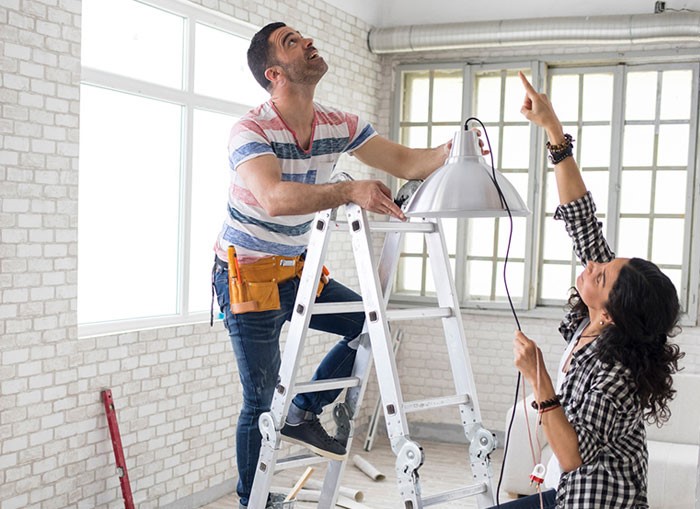
DIY can be a powerful money-saver and confidence booster, but it’s important to know your limits. Painting, patching drywall, fixing loose tiles, or replacing fixtures are great starter projects for new homeowners. With online tutorials and a few tools, you can do a lot on your own. These tasks also help you learn how your house functions and spot signs of future issues.
However, electrical work, plumbing, and structural changes should almost always be left to licensed professionals. Mistakes in these areas can not only cost more to fix—they can be dangerous. Knowing when to call a pro doesn’t mean you’re failing as a homeowner. It means you’re smart enough to protect your home and your safety.
Renovations: Improving with Purpose
While maintenance is about preservation, renovations are about personalization and improvement. For many first-time homeowners, the urge to renovate is strong. It’s exciting to put your own stamp on your home, especially if you’ve been dreaming of granite countertops or open-plan living. But before diving into any renovation, take time to live in the space. You might find your priorities shift after a few months.
Start with renovations that enhance function, energy efficiency, or address urgent wear and tear. Kitchens and bathrooms are smart renovations because they improve daily living and increase resale value. Replacing outdated appliances, improving lighting, adding better storage, or installing energy-efficient windows are renovations that pay off both now and in the future.
Planning and Budgeting for Renovations
A successful renovation starts with a solid plan. Define your goals: Are you trying to increase value, improve comfort, or prepare for future family needs? Set a realistic budget and add a buffer—most renovations exceed initial estimates by 10% to 20%. Always get multiple quotes, check contractor references, and ask for detailed contracts outlining scope, timeline, and payment milestones.
Avoid trendy choices that may date quickly or limit future resale appeal. Instead, go for timeless designs and neutral palettes, especially in kitchens and bathrooms. Consider how any changes will affect the home’s structure, layout, and flow.
Prioritizing Renovation Projects
It’s not always feasible to do everything at once, especially on a first-time homeowner’s budget. Prioritize renovations based on necessity and long-term benefit. If your roof leaks or your foundation has cracks, those need immediate attention. If the kitchen looks dated but works well, it can wait.
Think about how long you plan to stay in the home. If it’s your forever home, customize away. If you plan to move in five years, focus on changes that will yield good return on investment. Smart renovations aren’t just about comfort today—they’re about financial sense tomorrow.
Curb Appeal and Exterior Care
Don’t underestimate the value of your home’s exterior. First impressions matter, even if you’re not planning to sell. Landscaping, exterior paint, lighting, and a clean entrance can transform your home’s appearance. Keep the lawn trimmed, trees pruned, and gutters cleared. If your driveway is cracked or your siding is stained, address those before tackling purely cosmetic indoor changes.
Exterior maintenance also protects your home from weather damage. Ensuring proper drainage, sealing windows, and fixing roof issues early helps you avoid serious repairs and extends the life of your home.
Staying Organized and Keeping Records
As a homeowner, organization matters more than ever. Keep a folder—physical or digital—with all receipts, manuals, warranty info, and maintenance logs. Track when you service the HVAC, repaint the deck, or upgrade plumbing. This record-keeping not only helps with budgeting and planning—it becomes valuable when it’s time to sell the home. Buyers appreciate documented proof that a home has been well maintained.
From First-Time Owner to Confident Steward
Owning a home for the first time is a life-changing experience. It marks independence, stability, and a new chapter full of possibilities. But that milestone also comes with responsibility. Home maintenance and renovations aren’t just chores—they’re investments in your future. By staying proactive, budgeting wisely, and learning the basics of upkeep and improvement, you’re not just preserving a structure. You’re cultivating a home.
The journey from novice to confident homeowner takes time, patience, and a willingness to learn. Mistakes will happen. Projects will take longer than expected. Costs may creep higher. But with every repair you tackle or improvement you plan, you become more connected to your space and more capable of shaping it into a place that truly reflects your life and your vision.